Purposeful Concepts LLC – We Get It!
Our R.E.A.L. and P.I.E. Framework ©
Why #EducationMatters
At Purposeful Concepts LLC, our standardized foundation for education is built on the R.E.A.L. Framework — Respect, Equity, Awareness, and Learning. This framework guides how we teach, how we design programs, and how we empower individuals and communities to understand the systems that shape their wellness.
R.E.A.L. Means:
- Respect for every individual’s lived experience
- Equity in access, opportunity, and outcomes
- Awareness of personal, social, and systemic influences
- Learning as a lifelong pathway to resilience and empowerment
R.E.A.L. is more than a model — it is a movement. It reflects why #EducationMatters and why informed communities are healthier, stronger, and better equipped to advocate for themselves.
Wellness, Equity & Social Justice
Wellness is a dynamic blend of genetics, life choices, and the inequities shaped by social classifications. This understanding drives our mission to educate and #EmpowerWellness as we strengthen mental health, emotional growth, and resilience.
We address:
- Preventable health disparities
- Social and economic inequities
- Youth health risk behaviors
- Community‑level barriers to care
- The need for equity‑driven leadership
Social justice requires equity, access, participation, and rights. Homophobia, ageism, and discrimination remain common injustices that affect health and opportunity.
SMART Technology & Data‑Driven Innovation
SMART (Self‑Monitoring Analysis and Reporting Technology) tools are transforming how health information is gathered and used.
Key Focus Areas:
- Understanding how SMART data is collected
- Using data to improve care and outcomes
- Supporting digital literacy
- Protecting privacy and personal information
- Integrating human intelligence with technology
Your feedback helps shape how these tools are used to support communities, families, and care teams.
Care Management & Data Analysis
Effective care management depends on accurate, timely, and actionable data.
We Help Communities Understand:
- Risk adjustment and risk stratification
- Predictive analytics
- Care coordination workflows
- Quality improvement cycles
- Accountability and performance measures
As federal systems align and data transmission improves, care delivery will shift toward more transparent, measurable outcomes.
Telehealth & Telemedicine
Telehealth expands access but also reveals new inequities.
Barriers Include:
- Limited access to video‑capable devices
- Broadband gaps
- Digital literacy challenges
- Language barriers
- Social isolation
- Technology ownership disparities
Understanding these challenges helps communities advocate for equitable telehealth policies and support systems.
Medicare Managed Care
Medicare managed care (Medicare Advantage) operates through private plans contracted with Medicare.
Key Components:
- Risk adjustment based on patient complexity
- Quality measures and star ratings
- Incentives for preventive care
- Chronic disease management
- Accountability for outcomes
This structure influences how care is delivered and how individuals navigate their benefits.
Medicaid Populations & Adjustments
Medicaid programs vary by state but typically include:
- Income‑based eligibility
- Coverage for children, pregnant individuals, older adults, and people with disabilities
- Adjustments for social risk factors
- Tailored care models for vulnerable populations
These adjustments aim to reduce disparities and improve access for those most affected by social determinants of health.
CMS Quality Improvement Organizations (QIOs)
CMS supports national quality improvement through QIOs.
QIO Strategies Include:
- Reducing disparities
- Improving patient safety
- Strengthening care transitions
- Supporting providers with data and best practices
- Engaging communities in quality initiatives
These efforts help ensure safer, more equitable care across the country.
Health Information Policies
Health information policies shape how data is:
- Collected
- Protected
- Shared
- Used to improve care
Understanding HIPAA, interoperability rules, and data‑sharing standards empowers individuals to make informed decisions about their health information.
Patient Voice, Outreach & Education
Purposeful Concepts centers the patient voice in every conversation.
We Support:
- Community outreach
- Health literacy education
- Patient‑centered communication
- Tools that help individuals advocate for their needs
When patients understand their rights and options, outcomes improve.
Health Outcomes Surveys & Quality Measures
Quality measurement is essential for accountability and improvement.
Key Tools Include:
- CAHPS (Consumer Assessment of Healthcare Providers and Systems)
- CHNA (Community Health Needs Assessment)
- HEDIS and other quality measures used by health plans and providers
These tools help identify gaps, track progress, and elevate patient experience.
AHRQ Tools & National Improvement Efforts
The Agency for Healthcare Research and Quality (AHRQ) supports national improvement efforts.
AHRQ Focus Areas:
- Promoting research and evidence‑based practice
- Improving clinical practice
- Making healthcare safer
- Supporting advisory councils that guide policy and innovation
AHRQ resources strengthen the entire healthcare ecosystem.
Social Determinants of Health (SDOH)
SDOH are the conditions in which people live, learn, work, and age.
One of Healthy People 2030’s 5 overarching goals is specifically related to SDOH: “Create social, physical, and economic environments that promote attaining the full potential for health and well-being for all.”
Key SDOH Factors:
- Housing stability
- Food access
- Education
- Transportation
- Employment
- Community safety
- Social support
These factors influence up to 80% of overall wellness, making them essential to any conversation about equity and health outcomes. Self-education in wellness is deeply personal, a dynamic blend of genetics, life choices, and the inequities shaped by social classifications.
This understanding drives us to educate and #EmpowerWellness as we explore together pathways to strengthen mental health, foster emotional growth, and build resilience – because when we learn with purpose, we unlock the power to transform our lives, our communities, and our future. Through #EducationMatters and #PurposefulLearning, we create spaces where knowledge becomes action and every voice becomes part of a movement toward wellness, equity, and lasting change.
Purposeful Concepts developed a P.I.E. Framework©. Our P.I.E. Framework is a value-driven, human-centered methodology that helps individuals, schools, organizations, and communities understand the three forces shaping every human life, once realized, they hold an ability to transform that awareness into lasting change. Our build of custom curriculum within “service lines” integrate the elements above.
Serving Youth • Families • Workforce • Organizations
P.I.E. – Purposeful. Intentional. Elevated.
Free tool sample — yours immediately
Quarterly exclusive tool drops to the email you assign with your membership.
Equity-driven resources for your community, based off your
No spam. Unsubscribe anytime.
Empower Wellness – Person Centered Concepts
The Center for Medicare and Medicaid Services (CMS) a federal government website, managed and paid for by the U.S. Centers for Medicare and Medicaid Services, is a part of the Department of Health and Human Services (HHS).
CMS administers the nation’s major healthcare programs including Medicare, Medicaid, and CHIP. It collects and analyzes data, produces research reports, and works to eliminate instances of fraud and abuse within the Healthcare system. See what Medicaid and CHIP are called in your state.
Whenever you receive services you might get a call from a survey company that is reporting results to the government on behalf of the facility or provider you visited on a specific day or point in time. The Consumer Assessment of Healthcare Providers & Systems (CAHPS), were first launched by AHRQ in October of 1995. This addition was in response to concerns about the lack of good information about the quality of health plans from the enrollees’ perspective.
There are multiple CAHPS surveys. Poor survey results could result in facilities forfeiting reimbursements. Terms that are important to understand include:
- Pay-for-performance (P4P)
- Value-Based-Purchasing where you can better understand the pros and cons of performance in healthcare.
- Data Driven Patient Care Strategy
Let’s look at an example:
If you are a caregiver (family or friend) for a loved one, and dealing with “end of life” there is a survey designed especially for you, a CAHPS Hospice Survey. This national survey of family members or friends who cared for a patient who died while under hospice care is conducted monthly.
The 47-question survey covers topic of interest and is published as a part of Care Compare on the Medicare website. When developing your patient voice, this site can be a good tool for you to use. Look at the table that speaks to the eight measures. On the left side is the “Measure Name” header, and on the right side under the “Questions from the Survey” header you will notice bulleted items that address the types of care that we at Purposeful Concepts references as Body, Mind, and Soul which encompasses the “whole person” not just a body part, chart or room number, or case description. The respect one has for a human life must reach beyond just meeting the basic needs. Each of the bullets speaks to a task or “workflow” involved in the care and communication received. When reviewing the caregiver experience, your perception of care is what is collected and reported and is typically handled through a third-party vendor. You will notice under the table there is mention of “Participation Requirements for Hospices” which is important to realize in ALL CAHPS surveys. Responses are aligned with reimbursement or the annual payment update (APU) which addresses if full payment from Medicare will be received.
For those not familiar with healthcare terms or want to better understand we can help.
Often language and terms that are used in healthcare can be a barrier to understanding what the next steps look like. When patients and families are asked, do you have any questions, a common response is “no.” Barriers arise outside the clinical setting or during a Telehealth visit that relate to the process or treatment that needs to be navigated. CMS provides an extensive glossary of over 1000 terms. When you look to the right side on the page, you will see a link for Acronyms that you can select which provides over 4400 terms. Please reach out if you experience difficulty in understanding the CMS language within federal government benefits, services, or want to send feedback.
Speak-Up, your voice is important moving forward.
How do you know?
- How do you know if you- are getting the care you deserve?
- How are you accountable to improve one area of your life?
- How do you discuss prevention of negative health outcomes in a meaningful way with a loved one?
- How can you limit risk?
These topics are key to understanding the importance of YOUR voice in care!
CMS is committed to supporting clinicians and other provider as they look at the data collected.
Moving forward, electronic health records will be configured to send and receive more and more information. This information is designed with improvement in mind and you can “opt in” specific measures mentioned below.
CMS.gov sites are constantly updated to reflect resources and tools for all stakeholders and provides data on multiple years of comparison related to quality of care.
Here’s a few service lines you might be interested in:
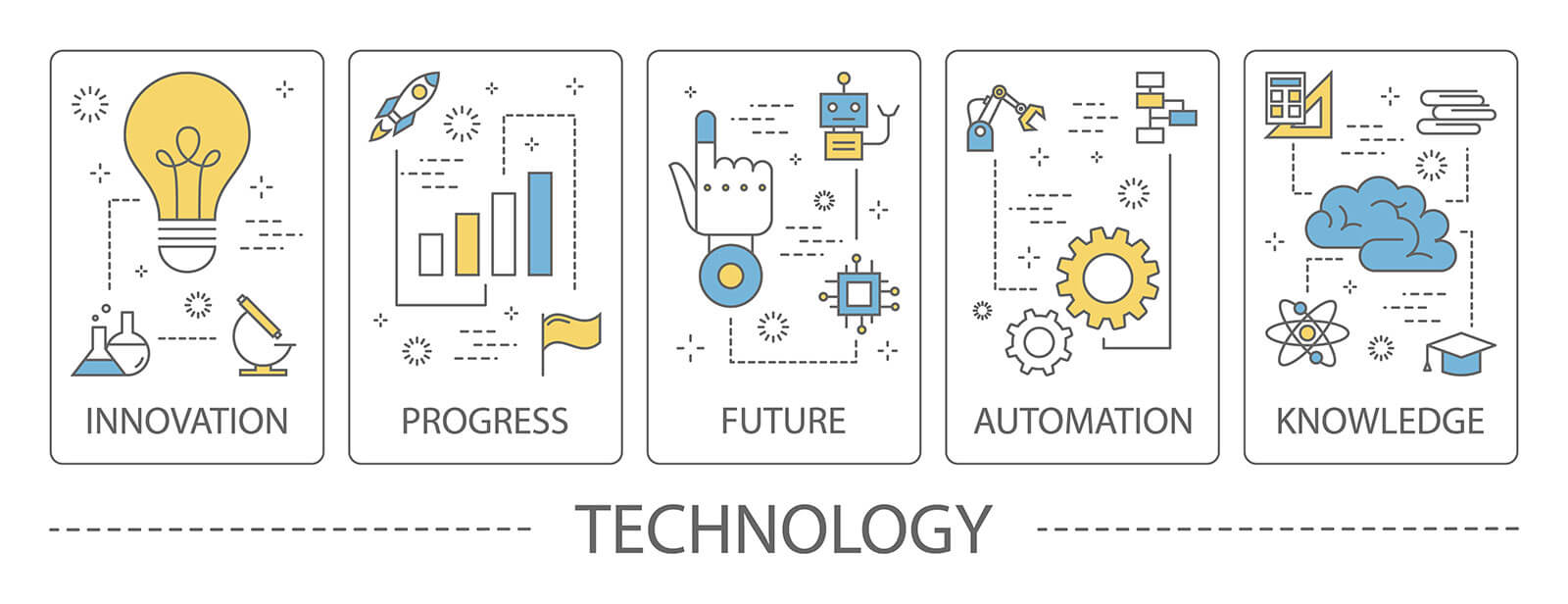
Need to understand technology and strategy? Here’s how:
- Access your health information necessary to have in an emergent situation
- Use your health data and understand how to share your health record, use an app to manage information and more
- Know your Privacy and Security rights and your responsibility to protect your information
- Learn where to find treatment, programs, and multiple 24/7 help lines
- Find Public Messages for concepts to reduce the impact of mental health issues and substance abuse
Let’s think about hospitals now and those tasked with Personal development – Life Coaching – Self-transformation
Did you know over seventy-five percent of the hospitals are recognized as charitable organizations? Hospitals must submit IRS Form 990 Schedule H annually to demonstrate their community benefit expenditures and maintain their 501c3 designations.
A community health assessment (sometimes called a CHA), also known as a community health needs assessment (CHNA), refers to a state, tribal, local, or territorial health assessment that identifies key health needs and issues through systematic, comprehensive data collection and analysis.
The CHNA is a systematic process, involving the community to identify and analyze community health needs. The process provides a way for community organizations to partner and prioritize health needs, They then prioritize, plan, and act upon the unmet needs within specific communities. Learn more about the Affordable Care Act (ACA).
CMS is transparent in their reporting and allows users to navigate outcomes data. Keep in mind, some data has a “lag” or “look back” and may not reflect new process improvement measures that are underway. We’ll explain this is further detail through our blog page.
- Hospital Compare for over 4000 facilities and a multitude of measures
- HCAHPS the hospital version of the survey, this was the first survey that was implemented
- Inpatient Rehabilitation Facilities
- Long-term Care Hospitals make sure to review the Announcements area
- Nursing Homes including Rehab Services as of October 2020 measures are now reported publicly
Two newer services CMS now offers are related to costs and suppliers.
Costs for visits to providers when planning an outpatient procedure are easily navigated through CMS tools. Datasets extracted from these metrics allow you to compare, across specialties and zip codes, minimum, maximum, and mode pricing of Medicare-certified suppliers nationwide. Datasets are available for office visits related to 80 physician types including Cardiac Surgery, Pain Management, Pulmonary Disease, Radiation Oncology, Geriatric Medicine, Dermatology, and Endocrinology to name a few types and are found by zip code for new and established patients.
A Supplier Directory can be found here too
Are you looking for Chronic Illness Resources? This is an area we would like for you to suggest other additions. We’re starting with allergies:
Allergy-Asthma-Immunology – The Virtual Allergist tool visit
Manage your health and view the pollen count in your area
Look at how Outcome Measures are categorized in other areas.
The National Quality Forum is known for Driving measurable health improvements together to address the care that is needed for people and communities.
The National Quality Forum (NQF) works with members of the healthcare community to drive measurable health improvements together. NQF is a not-for-profit, membership-based organization that gives all healthcare stakeholders a voice in advancing quality measures and improvement strategies that lead to better outcomes and greater value
You can find materials and information transparently for those with access to the internet. Some top areas where consumers/caregivers can learn more and/or get involved can be found on their site. They are non-biased and state the facts not opinions.
Here is just one example that may be of interest, what others would you like to see if they are underway?
Maternal Morbidity and Mortality: When we speak to environmental factors that contribute to the biology of a person, we learn from this site that severe maternal morbidity affects more than 60,000 women annually across the United States with rising trends over the last two decades.
Educational materials, past meeting agendas, transcripts, and reports are available too.
Note: Works of the U.S. Government are in the public domain and you don’t need permission to reuse them, but an attribution to the agency as the source is appreciated. Your materials, however, shouldn’t give the false impression that the government’s endorsing your commercial products or services. See 42 U.S.C 1320b-10.
Now let’s look at some concepts that align with Wellness Your Way
Our Body, Mind and Soul core mission:

Body
Visualization is quite simple. Sit in a comfortable position, close your eyes and imagine in as vivid detail as possible, what you would be looking at if the dream you have were already realized. As we move towards SMART technology and the complexity of data and its systems this area aligns with identification of inefficiencies and proposes new approaches in visual communication. To start thinking visually, consider the nature and purpose of your visualization and where it aligns to your goals or what you are being asked to do from a healthcare or wellness perspective. This exercise is important to better understand the role you play in the “patient and family centered care” methodology and future plans within healthcare and delivery systems.
Here’s some concept examples:
- Is the information conceptual (ideas that simplify)
- Am I declaring something? Qualitative
- Is the information data-driven (statistics to inform or enlighten)
- AM I exploring something? Quantitative
When we are caring for our bodies, the historical model uses clinical healthcare services. Think of what you typically encounter through health insurance coverage. A multitude of care options are aligned with “regulatory measures” that encompass metrics around quality, safety, and patient experience (or satisfaction).
This area is where consumers will be called to “sit at the table” and share their thoughts in a concise and professional manner.
We will be walking you through the specifics as they emerge in 2022 and beyond. Did you know there is a public comment period on policy before it takes effect?
Ask us if you need help! We will draft sample responses options to help you gather your thoughts for submission. Be the VOICE in what Patient and Family Centered Care can become and review some free resources.
Soul and Mindfulness
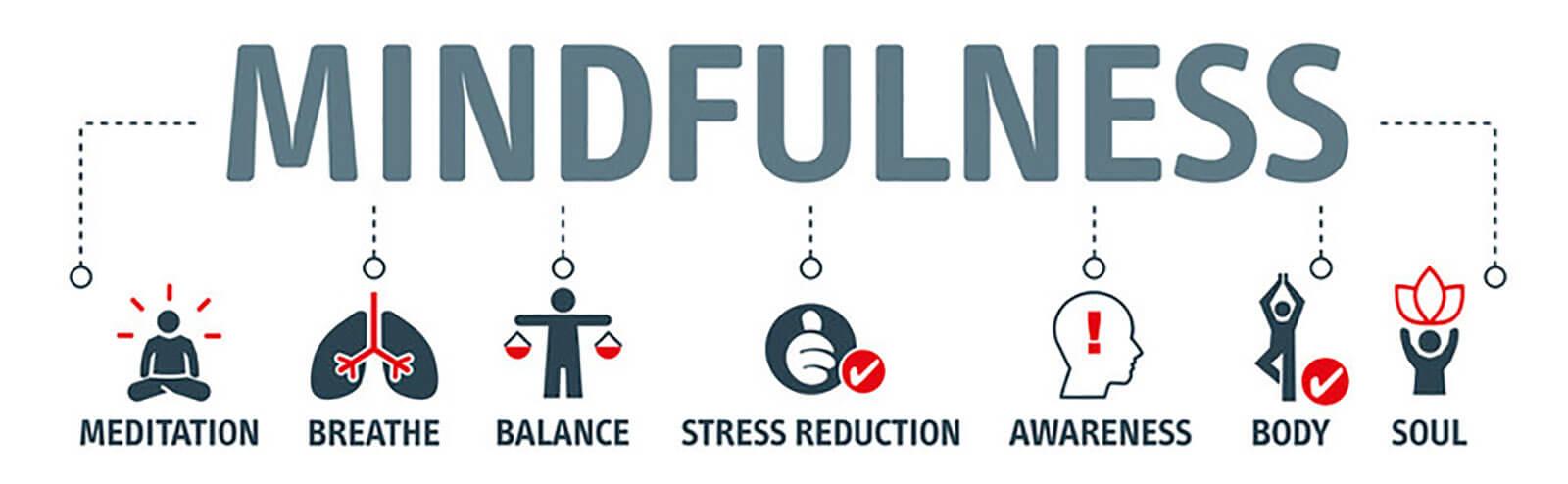
The world we currently live in can be streesful. Learning to reduce stress through mindfulness helps in salf-care. Did you know there are over 19 million U.S. citizens who are a veteran? The Veterans Affairs site is an amazing resource to educate, and understand practices that align in improving overall well-being. Their mention of “Whole Health” walks the user through a multitude of resources. and they are well versed in providing care tips.
AARP has advice for those who prefer Natural Stress Remedies. From learning how to “power-down” when uncertainty of the future invades your peace, staying active, along with taking in nature and the outdoors, simple steps help us stay focused.
When we take time to pause and reflect on all that nature offers, we learn to reconnect in the here and now. Before the advance in technology people embaced what most people fail to see in our modern world. Things were much simpler throughout history when humanity relied on the moon cycles to guide them with farming, planning, creating, traveling, and so much more. For example, the Old Farmer’s Almanac is a more modern version of how ancient cultures lived and celebrated. If we look further back over the last 2000 years, we can find patterns that help us realize and identify where we came from and/or who we want to be. I am sure you have heard the warning during a full moon that people may “act erratically” since they are not aware their emotions are taking the driver’s seat. Some say the energy around the full illumination of the moon brings forth things that have been hiding in the shadows. Learning to work on our “inner self” can be the most important work we ever do. A modern saying that relates to the optimum goal is to find, “the best version of ourselves.”
Although we continue to evolve, there is an energy within ALL of nature. How and what we align with or tune-in to, is part of the free will we embrace. Throughout the various approaches one could say there is a golden thread that weaves everything together within the journey for each individual soul. As we advance through life, contemplation helps us find a place to begin on a new path. Typically introduced in our formative years, through the circle of support we find ourselves within, what we learn as a child (negative or positive) can disappear as we grow and discover new methods to embrace.
Likewise, where we found comfort as a child can be vastly different as a young adult, a parent, a caregiver, retiree, or senior citizen. The good news is, we can develop new skills, open our mind to new thought processes to consider, and change direction to reach an optimum state of being and consciousness. But will we? … That’s up to you, will you look at ways we can work collaboratively; come to a discussion table and “agree to disagree” with a gentle approach and kindness?
We challenge you to be the change in these challenging times.
“Emotion is nothing more than energy in motion” when we are inspired to take courageous action our emotions can guide us to do so without hesitation. When we learn how to release negative, self-destructing behaviors, we can attract those that align with our true vibration or our highest good that leads us towards meeting our new goals. Goals that meet the highest good for humanity as a “whole” are what Purposeful Concepts LLC propose we work towards.